SYSTEM REQUIREMENTS:
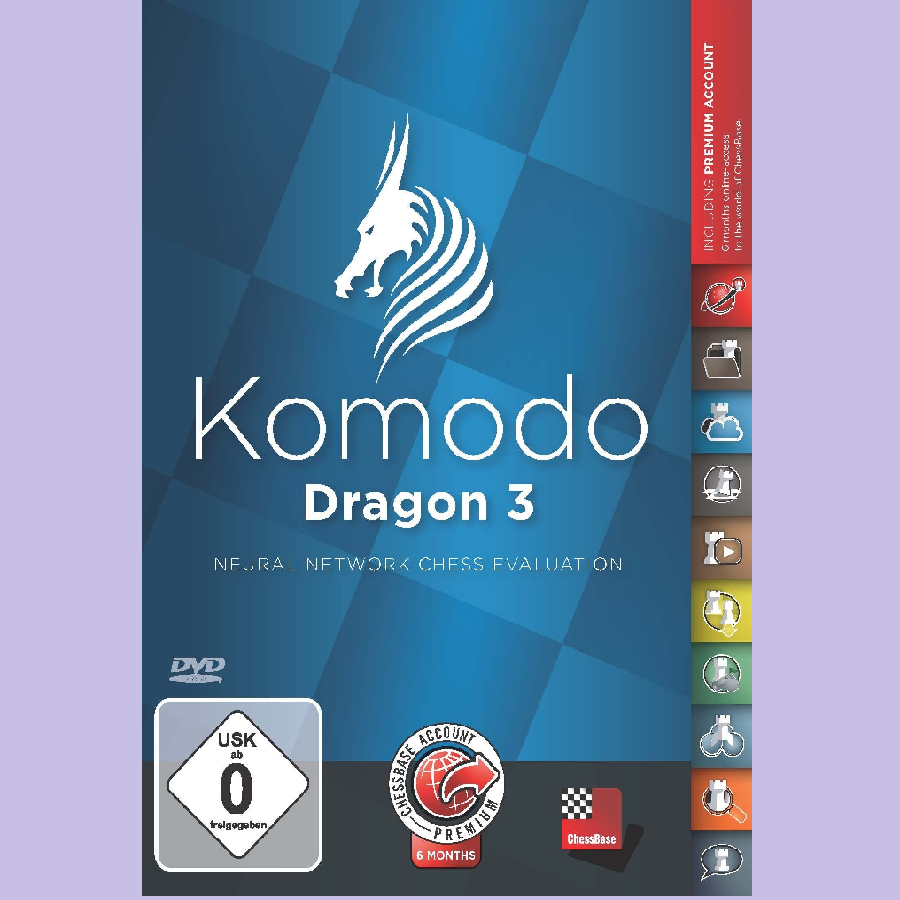
Minimum: PC Intel i3 or i5 or Ryzen 3, 4 GB RAM, Windows 8.1 (32- or 64-Bit), DirectX11, graphic card with 512 MB RAM, DVD-ROM drive (not required in download version), Windows Media Player and Internet access. Recommended: PC Intel i7, i9 or Ryzen 7/9, 8 GB RAM, Windows 11 or 10 with 64-Bit, Windows Media Player, graphic card with 1 GB RAM, RTX graphic card for real time Raytrace board, DVD-ROM drive and Internet access. For ChessBase ACCOUNT: Internet access and up-to-date browser, e.g. Chrome, Safari. Runs on Windows, OS X, iOS, Android and Linux!
Need help with a specific disc image format or protection? Provide the file extension and error message.
: While the software has classic roots, the Official Download Area confirms full support for Windows 10 and Windows 11 (both 32 and 64-bit). Installation & Availability
Technology has moved on. Here is why you should drop the search for a cracked 2015-era tool:
: Includes a mode for fast conversion of audio files into MP3 or OGG Vorbis formats.
Virtual CD, developed by , was once a flagship product for creating and managing virtual CD/DVD/Blu-ray drives. Version 10700 (10.7.0.0) was released around 2015–2016, targeting Windows 7, 8, and early Windows 10 builds. It allowed users to:
Need help with a specific disc image format or protection? Provide the file extension and error message.
: While the software has classic roots, the Official Download Area confirms full support for Windows 10 and Windows 11 (both 32 and 64-bit). Installation & Availability
Technology has moved on. Here is why you should drop the search for a cracked 2015-era tool:
: Includes a mode for fast conversion of audio files into MP3 or OGG Vorbis formats.
Virtual CD, developed by , was once a flagship product for creating and managing virtual CD/DVD/Blu-ray drives. Version 10700 (10.7.0.0) was released around 2015–2016, targeting Windows 7, 8, and early Windows 10 builds. It allowed users to: